

Vaccines – Preceding Drugs Then, Revolutionizing Therapy Now
Our recent Protein Engineering Report (see here) has been very well received, and now Cambridge Healthtech Institute has published another report from our “Beyond Small Molecule” series. This time the subject is vaccines, and it looks like this piece is really hitting a nerve; the interest has been tremendous. You can access information on our new piece at the Insight Pharma Reports website:
…and of course you can order here, too!
Vaccines go back a very long way; the first crude preparations were around many decades before the first tentative steps towards standardized drugs were taken. Reasonably effective prevention of specific infectious diseases with vaccines was possible at times when medical science had no idea how the human immune system worked, and even before the concept of microbial infectious agents was more than dimply perceived. There was opposition against mass vaccination then, and there is opposition now.
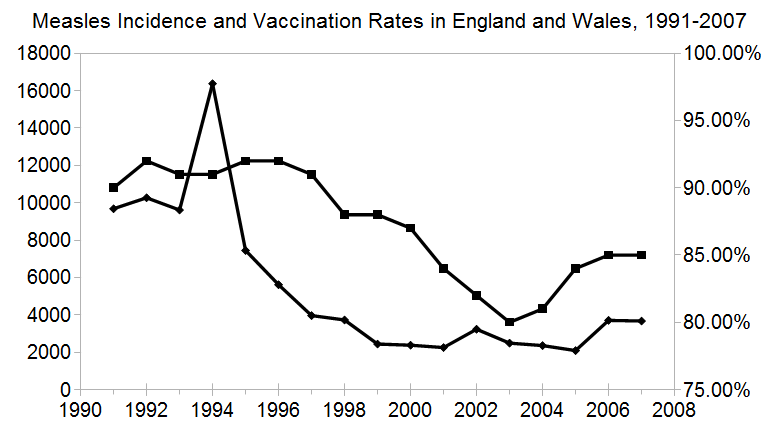
Besides being firmly associated with prevention of infection, vaccines have also become weapons for elimination of infectious diseases. If smallpox has been wiped from the face of the earth, if polio has been driven to the brink of eradication, and if childhood diseases such as measles or meningitis are being kept in check, it is because of vaccines and vaccination programs.
Even so, vaccines are available for only some two dozen infectious diseases. Two chronic infections with deadly viruses, HIV and hepatitis C disease, can be managed but not prevented. Parasitic diseases such as Malaria still defy vaccination; tropical viruses (such as West Nile virus) continue their march northwards into the temperate zones, and new viruses can emerge any time. (Remember the SARS epidemic of 2003? Until then coronaviruses had been known mostly to veterinarians.) And then of course, influenza: on top of the seasonal epidemics, the next true pandemic (the Big One – not the fizzling “bird flu”) is long overdue. Man-made threats, such as biowarfare agents, are in a totally separate class.
No wonder that infection-preventing vaccines – and new insights and technologies to design, produce and administer them – take up a large part of our 100+ page report. Every aspect mentioned above (and much more) gets attention. Modern vaccines make use of genetics, protein engineering, cell culture production, and nanotech-enabled delivery. They can target specific elements of the human immune system preferentially, and oral or transdermal delivery routes are taking shape for those vaccines that still need to be injected. Vaccines currently under development are efforts that call on many life science disciplines.
Exciting as all this may be, vaccines have grown beyond infectious disease prevention into areas of therapy — not simple passive immune therapy or personalized cell therapy, but standardized off-the shelve therapies that engage the immune systems of patients with established disease. Such a disease could be HIV or HCV infection – especially with those viral subtypes that do not respond well to chemotherapies -, but also autoimmune diseases such as rheumatoid arthritis, psoriasis, multiple sclerosis or type 1 diabetes where the immune system itself is the problem.
And the disease could also be cancer. A large part of the tumor establishment process hinges on the ability of tumors to induce immune tolerance: although they continue to express the telltale marker proteins that distinguish them from healthy tissue, the patients’ immune system cannot properly attack them. Carefully designed tumor vaccines can break this immune tolerance, and trigger responses that are specifically directed against the tumor’s cells. Such vaccines would not replace chemotherapy, but they could serve to eliminate minimal residual disease and prevent relapse after successful primary therapy. Because this is such a hot topic, we have given cancer vaccines a chapter of their own, separate from the discussion of therapeutic vaccines. Our four-part expert online survey, analysis of which is part of the report, attracted hundreds of participants in its cancer vaccine section.
This is probably the “hottest” market report H.M. Pharma Consultancy has ever written. Two other recent reports – on protein engineering (published July 2011) and advanced delivery technologies (January 2011) – are perfect up-to-date companions.