Today we present 11 new international patent applications from four focus fields: influenza vaccines (2), complement activation (2), addiction (3), and rare central nervous system diseases (4). As usual, all of these are not quite the run-of-the-mill type patent documents.
PLEASE CITE AS : Mucke HAM. Patent Highlights for April 2011. Published online on the H.M. Pharma Consultancy Blog (URL:http://hmpharmacon.blogspot.com/2011/05/patent-highlights-for-april-2011.html) on May 2, 2011. Contact us at office @ hmpharmacon.com .
Influenza Vaccines
WO 2011/040811 (Mucosis [NL]; April 7, 2011) attempts to improve on adjuvants for pernasal administration of live attenuated influenza virus vaccines by co-formulating the antigens with peptidoglycan microparticles obtained from the cell walls of Gram-positive bacteria or intracellular parasites. WO 02/101026 (Applied Nanosystems [NL]) is referenced for a method to obtain such particles which are “ghosts,” deprived of intact surface proteins and intracellular content. The thick peptidoglycan cell wall however remains intact, and provides structural rigidity to the bacterial shaped peptidoglycan spheres of about 1 μm diameter. They skew the immune response towards Th1, while many of the current nasal adjuvants like chitosan, ISCOMS , or lipids, induce a mixed Th1/Th2 type response. A pure Th1 response is considered to be superior because it helps by inducing secretion of IFN-γ. The enhancement of the systemic serum antibody response towards intranasal hemagglutinin (5 μg H1N1 A/Beijing) was assessed in an intranasal mouse model, and was found to work best when 0.1 mg peptidoglycan particles were added to 67 μg hemagglutinin-specific IgG per ml. With this combination both the magnitude and the kinetics of the intranasal vaccine were equivalent to a standard intramusclular injection vaccine.
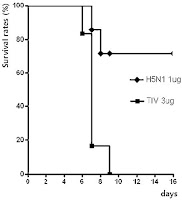
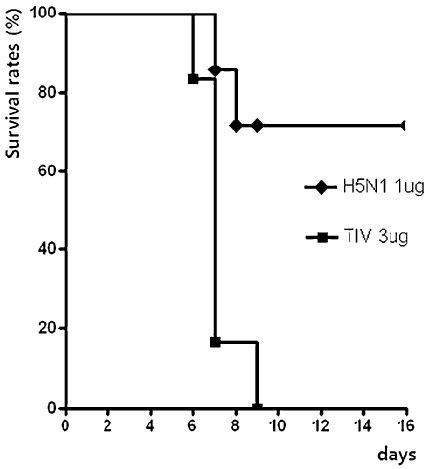
WO 2011/043584 (Helix [KR]; April 14, 2011) advances the concept of an edible influenza vaccine. Hemagglutinin proteins of the H5N1 “avian flu” virus are expressed in transgenic plants in a highly efficient manner, and with antigenic properties caused by near-correct glycosylation during retention in the endoplasmic reticulum. IA vaccine made from this antigen is protective in animal models of influenza infection (see figure on the right). The plant transformation vector has a cellulose-binding domain inserted therein to separate the expressed proteins. This competes directly with work done by Medicago, Inc. (Quebec City, Canada) as claimed in WO 2010/148511; see Plant Biotechnol J . 2010; 8(5): 607-19 [ PubMed]) and PLoS One 2010; 5(12): e15559 [ PubMed]
Addressing Complement Activation in Disseminated Coagulopathy and SLE
The complement system provides an immediately available immune mechanism to initiate and amplify the inflammatory response to microbial infection; however, if it runs out of control it contributes to the pathogenesis of inflammatory conditions. One of these, disseminated intravascular coagulation, is addressed by WO 2011/047346 (Omeros [US]; April 21, 2011) . The lever is inactivation of mannan-binding lectin-associated serine protease type 2 ( MASP-2, a key enzyme in the non-classical lectin pathway of complement activation), reducing the generation of both anaphylatoxins C3a and C5a. Extensive biological data are provided, based on the localized Shwartzman reaction and various inhibitors of MASP-2 in wildtype and knockout mice.
WO 2011/047337 (Exagen Diagnostics [US]; April 21, 2011) comes from a Houston, Tex. company that has published two peer review papers on biomarker discovery as well as 10 international patent applications. Now their attention has turned to methods for the diagnosis and monitoring of systemic lupus. None of the individual markers that are employed – antinuclear and anti-dsDNA antibodies, ECR1 (erythrocyte complement receptor type 1), or complement cleavage products EC4d, BC4d and PC4d (C4d bound to erythrocytes, lymphocytes, and platelets, resp.) – are new in the context of SLE, but combining them into a set of complex biomarkers that are amenable to microarray testing and bioinformatic analyses probably is. Applying a two-tier algorithm to blood samples from SLE patients (with Tier-1 negative subjects re-tested in Tier 2), a sensitivity of 72% and a specificity of 92% were achieved.
Unconventional Approaches to Substance Abuse
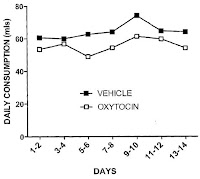
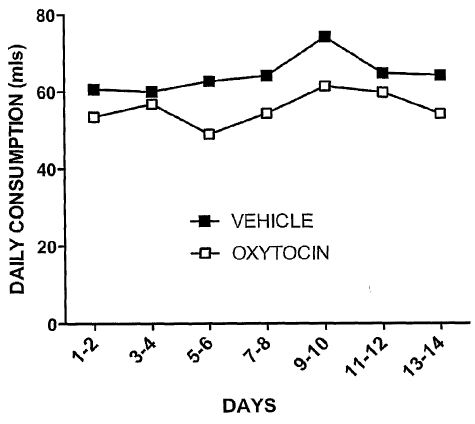
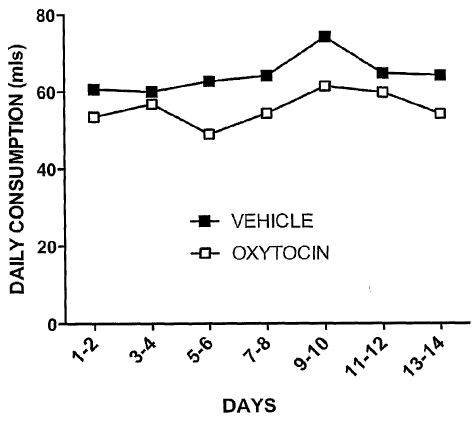
Problem drinking need not meet the entire set of clinical criteria that are required to diagnose alcohol addiction, but it exerts all its harmful medical and social effects. In WO 2011/038451 (Sydney Univ. [AU]; April 7, 2011) the inventors found that male and female P rats (a strain bred for alcohol preference over water in a free-choice drinking model) reduced their alcohol consumption significantly following administration of a single acute dose of oxytocin, and that alcohol-naive animals given repeated doses of oxytocin reduced both their absolute alcohol intake and relative preference. Importantly, water consumption was not affected, indicating that oxytocin is selective in reducing alcohol consumption relative to water. As the inventors confirm with a dedicated experiment, this might be due to the anxiolytic activity of oxytocin. An extensive clinical study plan in persons habitually engaged in harmful drinking practices is disclosed. Although the literature has implicated oxytocin and other peptide hormones in addictive disorders recently, this particular application should be new. For background, see Addict Biol. 2011; 16(2): 199-201 here .
Botulinum toxins have been claimed (and used) for applications almost beyond count, from facelifting to writer’s cramp to intestinal complaints. WO 2011/041483 (ToxCure [US]; April 7, 2011) adds another twist which seems crude but might conceivably work (provided the subject is willing to take some risk): the neurotoxin is applied locally to the mouth, nose or fingers of the addicted person, in a dose that alters sensory perception sufficiently to break the pattern of sensations associated with the initiation or maintenance of substance addiction-related behaviors. A list of case studies concerning smokers with a quitting wish is presented.
WO 2011/050158 (Columbia Univ. [US]; April 28, 2011) would at first sight seem to be another one of the many vaccination approaches to cocaine abuse that have been patented over the past decades. However, in the approach presented here the cocain carriers (necessary because cocaine is not immunogenic by itself) are “self” proteins, such as human plasma proteins — i.e., only the conjugate is immunogenic in man. Relapsing into cocaine use after vaccination would effectively trigger an automatic booster inoculation. Cocaine challenge experiments revealed no stimulatory effects in vaccinated mice at ED100, while 100% of the control group was affected at the same dose. None of the immunized mice succumbed to cocaine overdose at either LD50 or LD100, compared to 4 and 9 deaths at each respective dose for the control group.
Rare CNS Diseases Attract AttentionThe best-known choreatic syndrome that can be traced to polyglutamate repeat expansion is Huntington’s disease, but the wider framework includes form of spinocerebellar ataxia, spinobulbar muscular atrophy , and dentatorubral-pallidoluysian atrophy. Using three Drosophila models of dominant spinocerebellar ataxias (SCA1, SCA3 and SCA7), WO 2011/042872 (Paris University [FR]; April 14, 2011) identifies the gene DNApol-alpha50 , the ortholog of human PRIM1 (encoding DNA primase) as a major contributor: reducing its expression level by RNA interference can remove much of the toxic effects of pathological proteins in the models. Protection against ocular neurodegeneration was observed in a Drosophila model expressing pathologically truncated human Huntingtin. The SCA3 model identifies several other players in the replication of DNA that may modulate pathology: MCM2 , dup/CLTE (“chromatin licensing and DNA replication factor 1), DNApol-alpha73 / POLA2 (encoding the B subunit of DNA polymerase alpha) and timeout / TIMELESS , grp/ CHKB, which takes us to ATR (Ataxia Telangiectasia and Rads-related), all of which are required for DNA replication; HUWE1 , an inhibitor of DNA replication, has a protective effect in SCA3 pathology.
WO 2011/047301 (Medtronic [US]; April 21, 2011) describes a new gene therapy vector for treating Huntingtons diasease with brain-derived neurotrophic factor (BDNF). The inventors used the bacterial artificial chromosome (BAC) transgenic mouse model and showed that intrastratial injection of the vector construct reduces the huntingtin aggregates in the cerebral cortex and hippocampus. Locomotion, anxiety and cognitive parameters also improved. Importantly, the vector carries a genetic tag that allows its functional termination (by application of a “killer” nucleic acid) in case the gene therapy has to be aborted.
Rasagiline (N-propargyl-1-(R)-aminoindan), an irreversible monoaminooxidase B inhibitor marketed for Parkinson’s disease by Teva and Lundbeck, is also useful in progressive supranuclear palsy (PSP): this is the essence of WO 2011/042812 (Teva [IL/US]; April 14, 2011) . A clinical study in 17 PSP patients is described; 10 received rasagiline (1 mg/day) over the complete observation time of 12 months. Three were discontinued because of drug-related side effects. A reduction in falls was seen and depression was alleviated although prior antidepressant therapies were discontinued (to be expected, given that MAO-B inhibitors have antidepressant action). Indicators also suggested a slowing of dysphagia progression.
Type II mucopolysaccharidosis, also known as Hunter’s syndrome, is an inherited metabolic disease caused by a defect in the enzyme iduronate 2-sulfatase (IDS), which degrades mucopolysaccharides. In WO 2011/044542 (Armagen [US]; April 14, 2011) protein engineering was used to fuse IDS to an antibody that binds to the extracellular domain of the human insulin receptor, so that the construct may penetrate the blood-brain barrier. Cell culture studies show that the construct is taken up by Type II MPS/Hunter fibroblasts and normal human fibroblasts.